
Orchestrating a Global Response to the Mosquito Threat
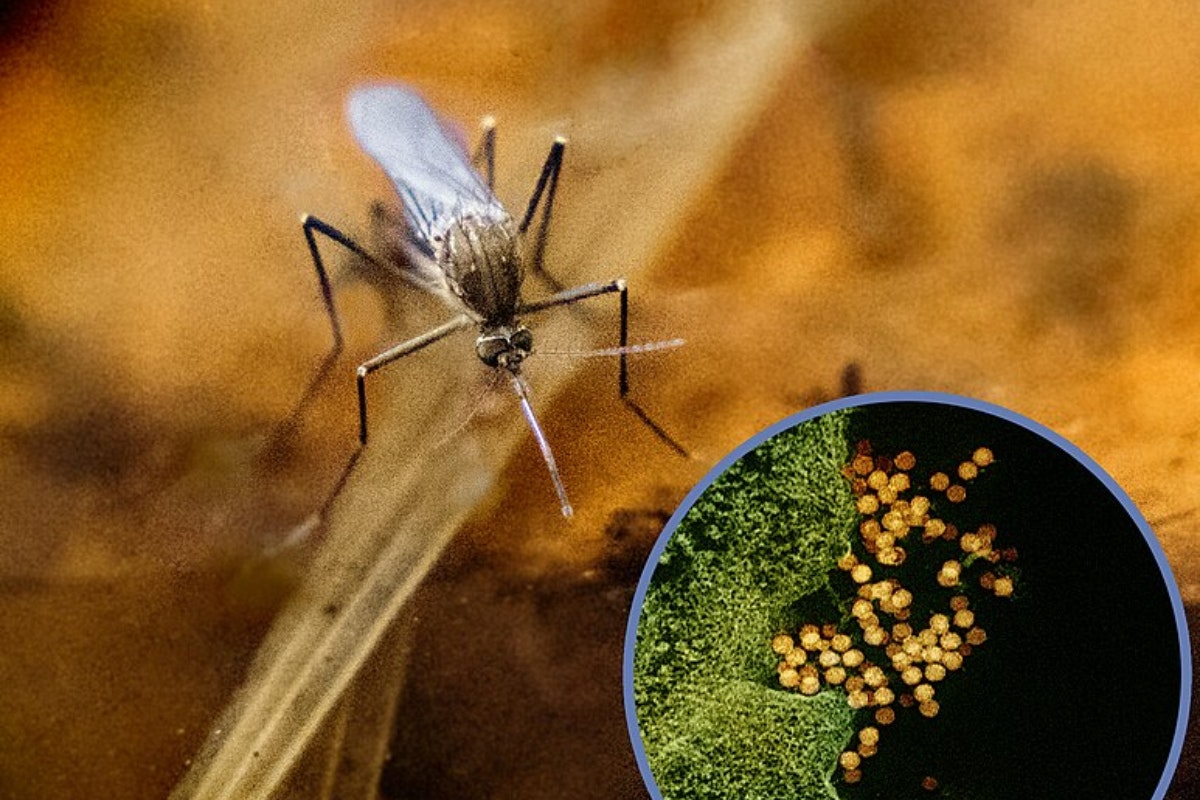
Mosquitoes are no longer just a seasonal nuisance. They are a major global health threat, responsible for more than 700,000 deaths each year worldwide. Diseases such as dengue, Zika, and chikungunya are expanding into new regions as climate change and urbanization create favorable conditions for mosquito populations, including in parts of Europe.
To address this growing challenge, the European Cooperation in Science and Technology (COST) launched the IMAAC initiative, bringing together nearly 100 experts from 35 countries. The project focused on breaking down silos between disciplines such as epidemiology, mathematics, textile engineering, chemistry, and medicine in order to turn research into practical mosquito control solutions.
One of IMAAC’s most promising innovations is a plant-based mosquito-repellent textile treatment that can be applied during washing, similar to fabric softener. Developed in collaboration with universities and industry partners, the treatment remains effective for up to 30 washes and is designed to be affordable and easy to use. International field tests across Europe, the Americas, and Asia confirmed its effectiveness under standardized conditions.
Researchers also developed a prototype AI-powered mobile app capable of identifying mosquito species from photos with more than 98 percent accuracy. The tool supports vector control programs and citizen science by allowing people to contribute real-world data using their smartphones.
Although the original IMAAC project has concluded, its work continues through a new phase called IMAAC-Next. This phase will focus on pilot production of mosquito-repellent clothing, expanded testing, and the creation of a global mosquito disease database. The initiative highlights how international collaboration can turn science into tangible protections for public health.